
RCS Marketing: Bringing Your Brand Into the Conversation
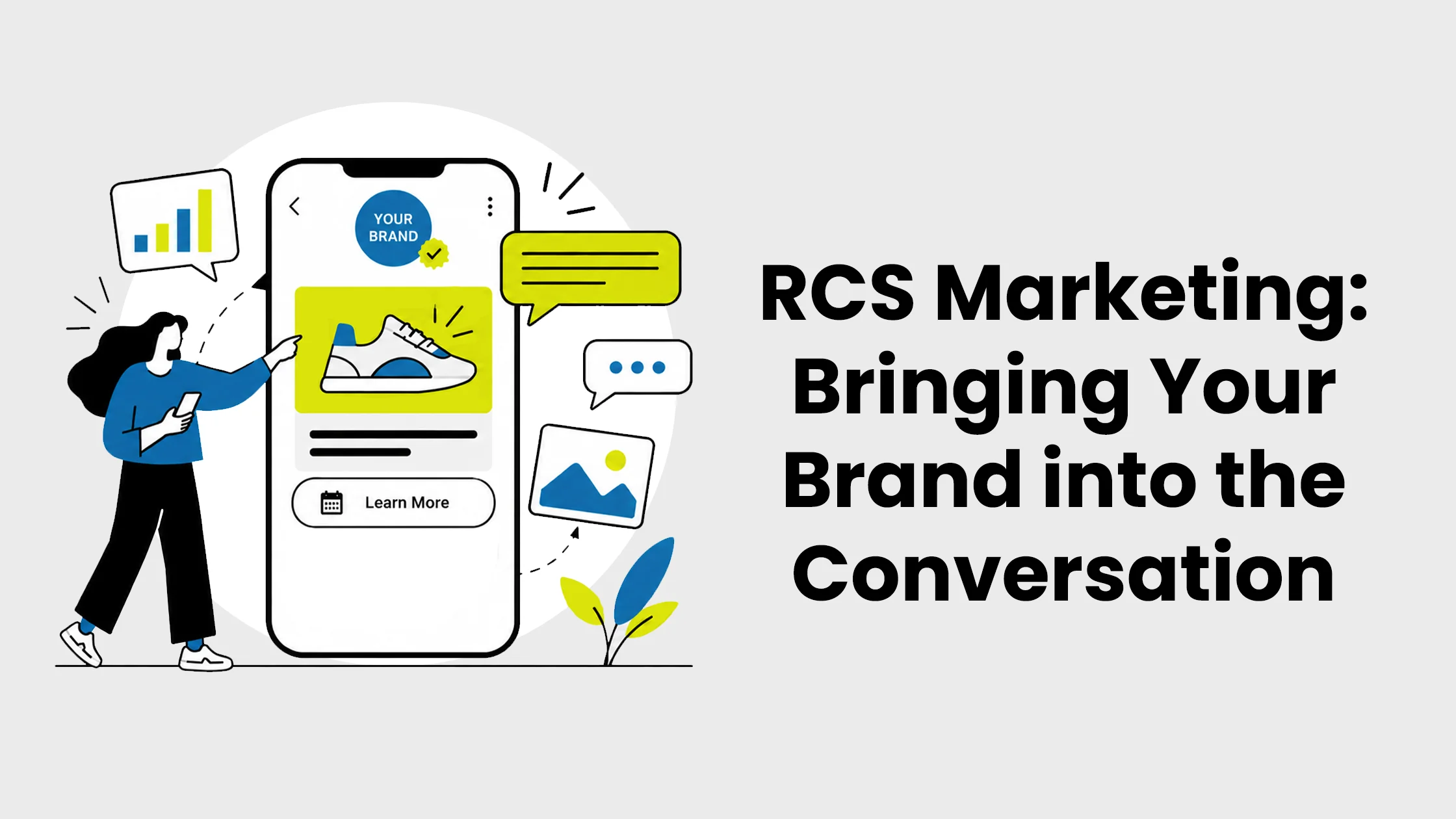
Businesses put considerable thought into how their brand looks, sounds, and feels across websites, emails, advertising, social media, and other customer touchpoints. Yet when that communication moves to traditional text messaging, there are fewer opportunities to carry the same visual identity and interactive experience into the conversation. RCS Marketing expands what businesses can create within messaging, combining the direct nature of texting with richer content and interactive features that can make a message feel more connected to the brand behind it. Instead of treating mobile messaging as a separate, stripped-down touchpoint, businesses can use RCS to create customer interactions that feel like a more natural extension of their overall brand experience.
Turn a Marketing Message Into a Branded Experience
Customers rarely encounter a business in only one place. They might first see an advertisement, visit a website, read an email, walk into a physical location, and later receive a text, with each interaction contributing to their perception of the business. Companies work hard to make those touchpoints feel connected through recognizable imagery, language, design, and brand standards. RCS creates more opportunities to carry that sense of identity into business messaging, helping the conversation feel connected to the brand experience customers have encountered elsewhere.
Rich content gives businesses more freedom to decide how their message should take shape. Images and rich cards, for example, can provide visual context when introducing a product, highlighting a service, or sharing a promotion. Businesses can use these elements to establish a clearer information hierarchy, drawing attention to the main message while giving supporting details their proper place. This creates an experience where the written copy and visual content can complement one another instead of asking a block of text to do everything. The advantage isn’t simply having more visual content available. Marketers have more control over how customers encounter, understand, and move through the information being presented.
That additional creative freedom still requires restraint. Effective RCS Marketing should follow the same brand standards and communication principles a business applies to its other customer-facing channels. The imagery should make sense for the brand, the copy should maintain its established voice, and interactive elements should support what the message is trying to accomplish. There will also be conversations where a simple message is more useful than a highly visual experience, and RCS doesn’t change the importance of making that distinction. The goal is to use richer messaging intentionally, creating an experience that feels recognizably yours without allowing the technology to become the focus of the conversation.
Give Customers More Ways to Engage With Your Message
Presentation is only one part of what makes RCS different. Interactive elements such as suggested replies and suggested actions can provide customers with clearer ways to continue from the message they’ve received. Depending on the experience being created, an action might help someone open relevant online content, call the business, view a location, or take another supported next step. Suggested replies can similarly give customers predefined response options when the business wants to make continuing the conversation simple.
Consider a business introducing a new service to customers who may be interested in learning more. A conventional marketing text could describe the service and provide a link, leaving the recipient to decide whether and how to continue. With RCS, the business could present the service with rich media and give customers suggested actions for exploring additional information or taking the next step directly from the conversation.
RCS Marketing can be designed around response as well as delivery. This gives businesses more opportunities to invite customer participation instead of simply broadcasting a message.
RCS Marketing Expands Your Business Texting Strategy
The growth of RCS doesn’t mean businesses need to leave SMS behind. SMS remains a useful channel for direct communication and can be well suited to messages where speed, simplicity, and straightforward information are the priority. RCS provides another set of possibilities for interactions where richer presentation, visual content, recognizable business identity, or interactive choices can contribute to the customer experience. Rather than viewing the two as competitors, businesses can think about the different roles messaging can play and what each conversation needs to accomplish.
That makes the purpose of the message a useful starting point when planning a campaign. Does the customer primarily need a concise piece of information, or would visual context make the message easier to understand? Are you simply delivering an update, or do you want to give the recipient clear ways to explore and respond? Starting with questions like these keeps the marketing objective ahead of the technology and helps businesses avoid making an interaction more complicated simply because additional capabilities are available.
TXTpass supports both SMS and RCS because business communication doesn’t have to be defined by one messaging format. Our goal is to give businesses more ways to reach customers and create communication that fits the interaction they’re trying to build. RCS Marketing broadens the creative possibilities within that strategy, while SMS continues to provide businesses with a practical way to manage campaigns, automate routine communication, nurture leads, and stay connected with customers. Together, these options give businesses greater flexibility to think beyond sending texts and focus on creating better customer conversations.
Frequently Asked Questions About RCS Marketing
What Happens if a Customer Doesn’t Have RCS?
RCS availability can vary depending on factors such as the recipient’s device, messaging app, carrier, and settings. In situations where RCS isn’t available, SMS can provide an alternative way to reach customers. Because TXTpass supports both SMS and RCS, businesses can build their messaging strategy with both channels in mind. The specific process for using SMS as a fallback depends on your campaign setup.
Contact us to learn more about your messaging options.
What Types of Marketing Messages Can Benefit From RCS?
RCS can be especially useful when visual information or interactive choices add meaningful value to a message. A business could use richer messaging to introduce a product or service, showcase an offer, provide customers with choices, or create a clearer path toward the next step. The objective should always come first, with RCS features selected because they improve the customer experience rather than simply because they’re available.
Do Customers Need to Download an App to Receive RCS Messages?
Generally, customers don’t need to download a separate app specifically for a business’s RCS messages. RCS functionality is integrated into supported messaging apps and devices, although availability can vary based on the recipient’s device, messaging app, carrier, and settings. This allows businesses to create richer messaging experiences within a channel customers may already use for everyday conversations.
Do Customers Have to Opt In to RCS Marketing
Messages?
Businesses should still treat consent as an important part of their messaging strategy when using RCS for promotional communication. Using a richer messaging format doesn’t eliminate the need to follow applicable messaging requirements and respect customers’ communication preferences. Businesses should maintain appropriate consent and opt-out practices for their campaigns.
Can RCS Marketing Be Used for More Than Promotions?
Yes. RCS can support customer communication beyond promotional campaigns, including appointment confirmations and reminders, event updates, product information, customer follow-ups, and service-related messages. An appointment confirmation, for example, could provide important details while giving the customer clear options for their next step.
Can Customers Respond to RCS Marketing Messages?
RCS supports two-way communication, allowing customers to respond rather than limiting businesses to one-way marketing broadcasts. Suggested replies can also present predefined response options that make it easier for customers to indicate what they’re interested in or continue an interaction. This can help businesses create messaging experiences built around customer participation.
Bring Your Brand Into the Conversation
A marketing message shouldn’t have to feel disconnected from the business that sent it. RCS gives businesses more opportunities to bring recognizable identity, richer content, and meaningful interaction into mobile messaging while preserving the direct connection that makes texting such a useful communication channel. The result is an opportunity to make messaging feel less like an isolated marketing touchpoint and more like another part of the customer’s experience with your brand. The strongest experiences will still begin with a clear purpose, using richer capabilities only where they help customers understand, explore, or respond.
At TXTpass, we’re helping businesses communicate through both SMS and RCS so they have more options for building customer relationships through text. As RCS Marketing gives brands new ways to shape those conversations, the opportunity isn’t simply to send more elaborate messages; it’s to create communication that feels intentional, recognizable, and useful to the person receiving it. Whether you need the simplicity of SMS or want to explore the richer possibilities of RCS, we can help you find the right approach. Contact us today.


